

TOP 10 FOOD

Kattama
Kattama is a Kyrgyz bread which resembles soft, flaky tortillas covered in a crispy crust. It is believed that the kattama recipe is about 800 years old, having been invented in China in the 13th century. Some Kyrgyz make it from unleavened dough, but in our opinion kattama made from yeast dough tastes better.
The dough should be rolled out until thin. Fried onions are then added before the dough is rolled into a spiral, rolled out again and finally fried in oil. If these flaky cakes are served to guests before the main course, there is a good chance that the guests will happily fill up on kattama before the hot food arrives!

Paloo
Paloo, also known as pilaf, is a traditional rice dish originating from Central Asia, especially Uzbekistan. It’s made with long-grain rice, meat (like lamb or beef), carrots, onions, and spices such as cumin and garlic. Cooked in a large pot, the ingredients are layered to allow the rice to absorb rich flavors.
Plov is a symbol of hospitality and is often served at celebrations and gatherings. Each region has unique variations, sometimes adding dried fruits, chickpeas, or saffron for extra flavor. It’s a hearty, flavorful dish with deep cultural significance.
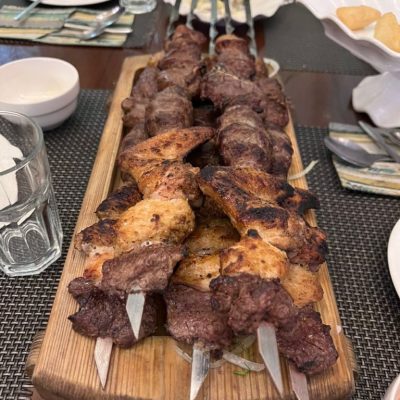
Shashlyk
Shashlyk is a traditional skewered meat dish that originates from the Caucasus region and is popular in many countries of Eastern Europe and Central Asia. It typically consists of marinated chunks of meat, such as lamb or beef, which are threaded onto skewers and grilled over an open flame. The marinade usually includes ingredients like onions, vinegar, oil, garlic, and spices, which help tenderize the meat and add flavor.
The dish is often served with sides like fresh vegetables, flatbreads, or salads, making it a delicious and satisfying meal for gatherings.
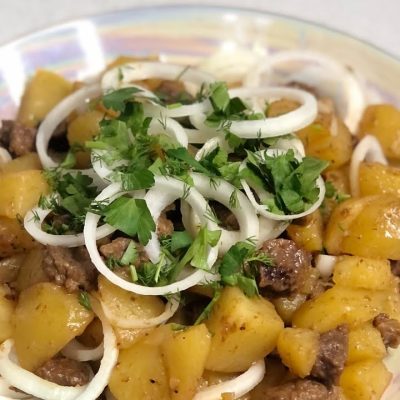
Kuurdak
Kuurdak is another popular Kyrgyz dish that is characterized by grilled mutton, fat and onions. Often it includes a little bit of vegetables too such as potatoes or carrots. This dish is a hit or miss.
When it is prepared well, it is absolutely delicious. However, in a lot of restaurants they overdose on the fatty meat parts making it hard to digest for foreigners.
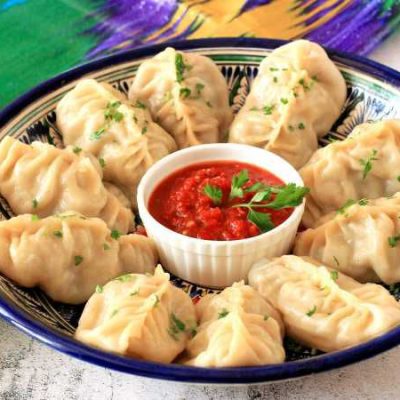
Manti
Manti are dumplings filled with meat that have become hugely popular in Central Asia. Sometimes the dish is considered to be turkish, but it is more likely that it originated with turkish and mongol tribes that spread this recipe throughout the silk road from China to Turkey.
Each region has its own version. Manti in central Asia are relatively large and steamed in a special metal steamer called a mantovarka. Although the filling is often and preferably ground lamb meat, there are lots of varieties. In Kyrgyzstan you will also find manti with beef, cabbage, potato or pumpkin.
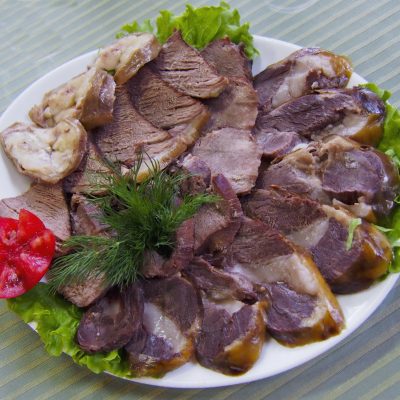
Chuchuk
Chuchuk is a traditional Kyrgyz sausage made from minced meat (often mutton or beef), mixed with fat and spices like garlic, pepper, and sometimes cumin. The mixture is then stuffed into a casing, usually made from the intestines of the animal, and cooked by boiling or steaming.
The result is a flavorful, savory dish often served as a snack or appetizer, typically paired with bread, fresh vegetables, or pickles. It is popular in Kyrgyzstan and other Central Asian countries, showcasing the region’s rich culinary heritage.
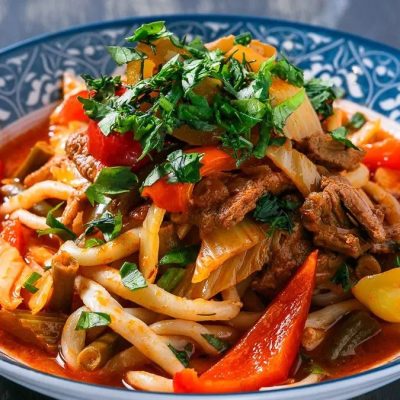
Laghman
Laghman is one of the most cooked dishes in Kyrgyz cuisine. It is a comforting noodle and broth dish that is easy to see where it gets it popularity. In Kyrgyzstan, it is considered a national dish of the local Dungan ethnic minority group that nowadays live largely in Karakol.
Influence on the traditional roots of laghman originate in Xinjiang, a northwestern region of China. The name laghman translates to hand-pulled noodles, which describes the main ingredient of the dish. The fresh noodles are served with a thick soup or broth, and often some kind of meat.
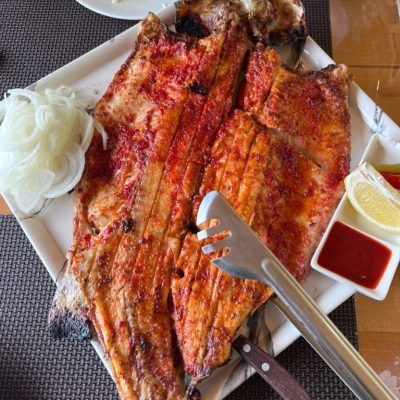
GRILLED TROUT
Grilled trout in Kyrgyzstan is a culinary favorite, renowned for its simplicity and freshness. Often prepared using locally sourced trout from the pristine mountain rivers and lakes, the fish is seasoned with a light mix of salt, herbs, and spices to enhance its natural flavors. Grilled over an open flame or on a traditional mangal, the trout develops a crispy, golden skin while retaining its tender, flaky texture inside.
This dish is typically served with fresh salads, lemon wedges, and a side of warm bread, making it a wholesome and flavorful representation of Kyrgyzstan’s culinary traditions.
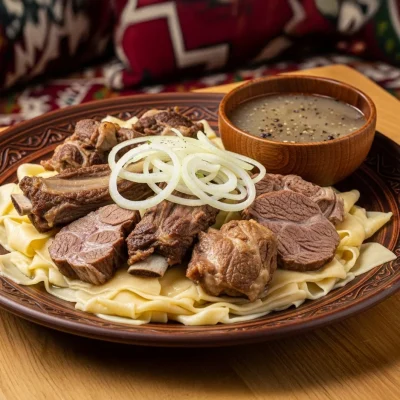
Beshbarmak
A traditional Kyrgyz nomadic dish made with mutton (or other meat) cooked in its own juices for hours, then poured over hand-cut noodles.
This dish’s name translates as “five fingers” because it’s meant to be blended and then eaten with your hands. Often served during celebrations or to honor guests, it’s a symbol of hospitality.
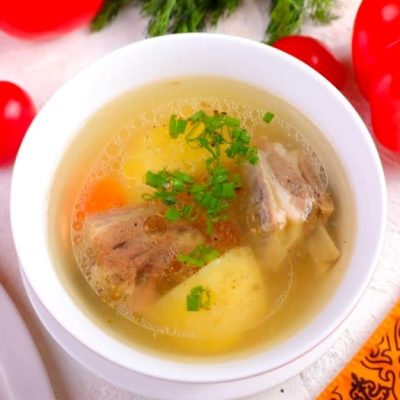
Shorpo
Shorpo is a traditional Kyrgyz dish, often considered a staple of Kyrgyz cuisine. It is a rich and hearty soup made with meat (usually lamb or beef), vegetables, and aromatic herbs. The broth is slow-cooked to develop deep flavors, often enhanced with garlic, onion, and various spices.
Served hot, Shorpo is a comforting meal, especially popular during colder months, and is typically accompanied by bread or flatbreads like “naan”.It’s valued not only for its taste but also for its nourishing and warming properties.
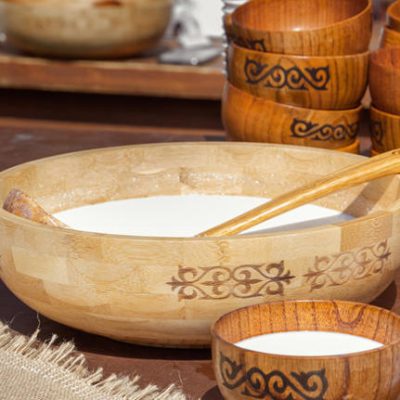
Kymyz
Kymyz is a very traditional name in Kyrgyz cuisine. It is a drink made in many parts of Central Asia and Mongolia as well, using the milk from a horse (mare). The mares milk is fermented and definitely an acquired taste. The fermented milk is mildly alcoholic and hence somewhat of a ritual associated in the drinking and sharing of kymyz.
Serving a bowl of kymyz to guests continues to be an important part of nomadic hospitality and so the ritual of sharing in a drink of kymyz is a key tenet of Kyrgyz culture as well as cuisine.
Plus, the benefits of fermented horse milk are believed to strengthen gut health and improve digestion. Fresh kymyz is only available in the summer months when nomadic herders have their horses at pasture.
Top 10 Activities
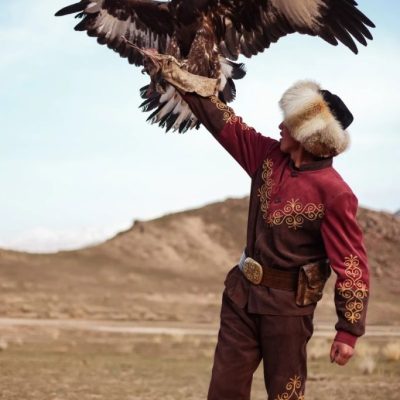
EAGLE HUNTING SHOW
Eagle hunting in Kyrgyzstan is a centuries-old tradition deeply rooted in the nomadic culture of Central Asia. This remarkable practice involves the use of golden eagles to hunt small animals like foxes and hares, showcasing the unique bond between the hunter and the bird. The art of eagle hunting, known as Berkutchi, is often passed down through generations, requiring years of training and trust-building between the hunter and the eagle.
Typically conducted in the breathtaking landscapes of Kyrgyzstan, such as the vast Tien Shan mountains or open steppe, eagle hunting is not just a means of survival but also a cultural celebration. Visitors can witness this tradition at festivals or join specialized tours to observe hunters in action, often dressed in traditional attire and riding horses. These experiences provide an authentic glimpse into the heritage and way of life in Kyrgyzstan, making it a must-see for anyone seeking a deep connection with the region’s history and traditions.
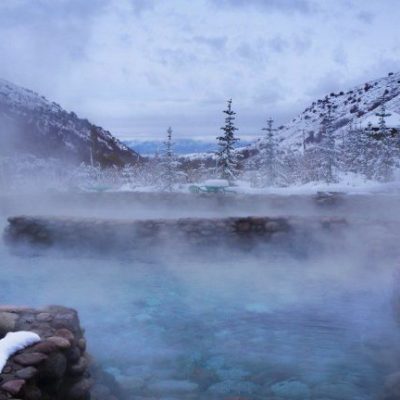
HOT MINERAL SPRINGS
Kyrgyzstan is home to several hot mineral springs known for their therapeutic properties. These natural springs, rich in minerals like sulfur and carbon dioxide, are believed to aid in treating conditions such as arthritis, skin issues, and respiratory problems. Popular regions like Issyk-Kul, Ala-Archa, and areas in Jalal-Abad and Batken offer visitors a chance to relax in scenic, mountainous settings.
Whether at resorts or local bathhouses, these springs provide a unique wellness experience, blending healing waters with Kyrgyzstan’s natural beauty.
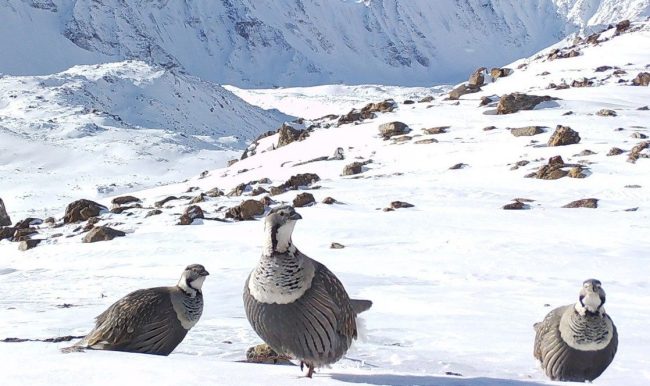
BIRD WATCHING
Kyrgyzstan, with its diverse landscapes and over 400 bird species, is a prime destination for bird watchers. Its unspoiled nature offers a perfect habitat for a variety of resident and migratory birds, making it an emerging eco-tourism hotspot.
Top Bird-Watching Locations
Issyk-Kul Lake: A winter refuge for waterfowl like Dalmatian pelicans and Eurasian spoonbills. Sary-Chelek Reserve: Home to golden eagles, white-tailed sea eagles, and Himalayan griffon vultures.
Ala-Archa National Park: Spot snowcocks, wallcreepers, and Lammergeiers in this mountainous park.
Naryn River Valley: Ideal for raptors like saker falcons and steppe eagles.
Unique Species
Kyrgyzstan offers sightings of rare birds such as the Himalayan snowcock, Lammergeier, Ibisbill, and Azure tit, making it a must-visit for enthusiasts.
Best Time to Visit
The peak seasons are spring (April-June) and autumn (September-October) during migrations. Winter showcases waterfowl at Issyk-Kul, while summer is ideal for mountain species.
HIKING
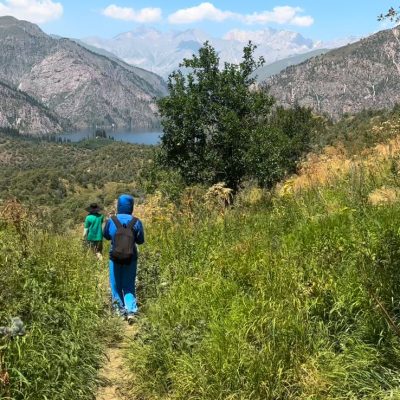
Kyrgyzstan, in the heart of Central Asia, is a paradise for hikers. Dominated by the Tien Shan mountains, this country boasts stunning landscapes of snow-capped peaks, lush valleys, and crystal-clear lakes.
Popular trails include Ala-Archa National Park, the Song-Kul Lake circuit, and routes around Issyk-Kul Lake. These paths offer a mix of serene alpine meadows, dramatic vistas, and rich natural beauty, catering to both casual hikers and seasoned adventurers.With its unspoiled nature and diverse trails, Kyrgyzstan promises an unforgettable hiking experience.
KAYAKING
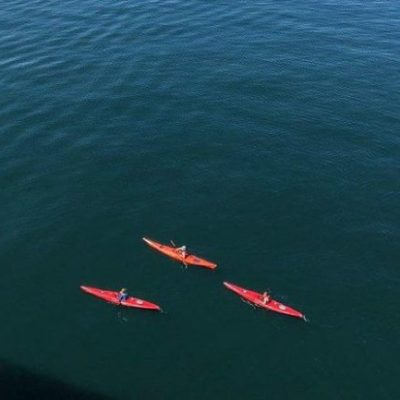
Kayaking in Kyrgyzstan offers an exhilarating adventure amidst some of the most breathtaking landscapes in Central Asia. Known for its pristine lakes, rivers, and rugged mountain terrain, Kyrgyzstan provides the perfect setting for both novice and experienced kayakers. Paddle along the shimmering waters of Issyk-Kul, one of the world’s largest alpine lakes, or explore the fast-flowing rivers like the Chu and Naryn, which wind through dramatic gorges and lush valleys.
The country’s diverse scenery, ranging from snow-capped peaks to verdant forests, ensures a dynamic and memorable kayaking experience. With well-maintained equipment and expert guides, kayaking in Kyrgyzstan is not only a thrilling outdoor pursuit but also a way to connect with nature and local culture in a truly unique setting.
HORSEBACK RIDING
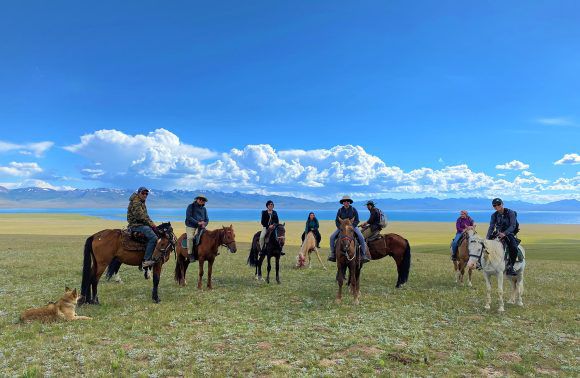
Horseback riding in Kyrgyzstan offers a unique adventure through the country’s breathtaking landscapes. With its vast meadows, rugged mountains, and crystal-clear lakes, Kyrgyzstan is ideal for equestrian activities. Riders can explore high-altitude pastures on sturdy, skilled Kyrgyz horses, either on day trips or multi-day treks.
These tours offer a chance to experience local culture, stay in yurts, and enjoy traditional meals. Horseback riding in Kyrgyzstan provides an immersive way to connect with both nature and the rich nomadic traditions of the region.
KOK BORU
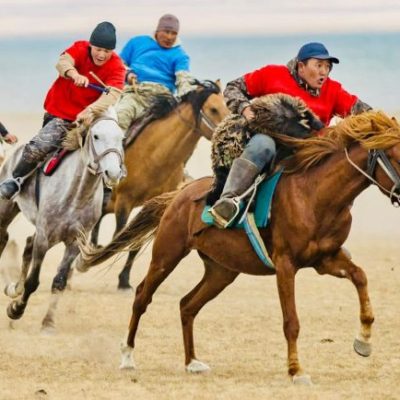
Kok Boru, meaning “gray wolf,” is a traditional horseback game from Kyrgyzstan with deep historical roots. It originated from herders defending livestock against wolves and evolved into a competitive sport. The game tests the courage, skill, and teamwork of both riders and their horses.
In modern Kok Boru, two teams compete to place a goat carcass into the opponent’s goal. The game emphasizes bravery, strategy, and physical endurance, reflecting its origins as a form of training for warriors. Today, it is celebrated as a symbol of Kyrgyz heritage and is a highlight of events like the World Nomad Games.
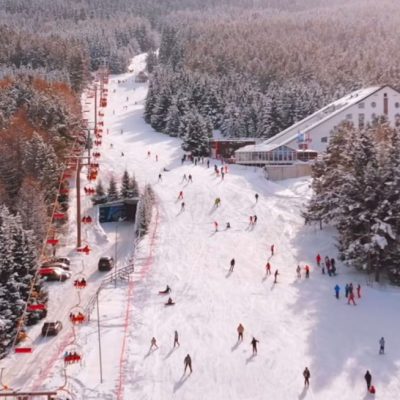
SKIING AND SNOWBOARDING
Kyrgyzstan is an excellent destination for both skiing and snowboarding, offering a variety of terrains to suit all levels of expertise. The country’s ski resorts, such as Karakol, Orlovka, and Chunkurchak, feature well-maintained pistes for beginners and intermediate skiers and snowboarders, as well as more challenging runs for advanced riders.
For those seeking adventure, the untouched slopes of the Tien Shan mountains provide exceptional opportunities for off-piste skiing and snowboarding.
These areas can be accessed through snowmobile or horseback transfers, taking visitors to remote freeride zones in regions like Karakol, Jergalan, and Suusamyr.
Additionally, heliskiing offers a thrilling experience for those looking to reach high-altitude peaks over 4,000 meters and ski or snowboard down untouched, pristine slopes.
Whether you’re a novice on the piste or an experienced rider chasing adrenaline, Kyrgyzstan’s diverse offerings make it an ideal destination for both skiing and snowboarding.
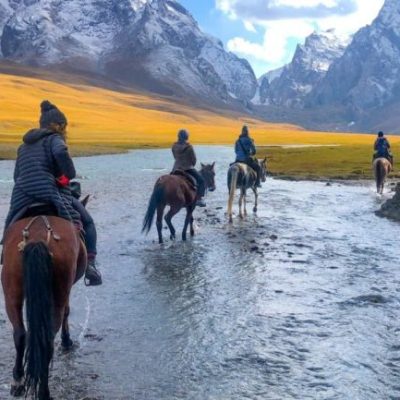
HORSE TREKKING
Horseback riding in Kyrgyzstan offers an extraordinary adventure, allowing visitors to explore the breathtaking landscapes of the country while immersing themselves in the rich cultural heritage of the nomadic traditions. The vast open steppes, rugged mountains, alpine meadows, and crystal-clear lakes make it an ideal destination for horse trekking.
During a typical horse trekking experience, travelers can ride through remote villages, discover ancient petroglyphs, and experience the Kyrgyz people’s way of life. The horses used for trekking in Kyrgyzstan are well-trained and accustomed to the rugged terrain, making them an ideal companion for those exploring the wild landscapes.
Riders can choose from a variety of routes, including multi-day treks that take them to scenic spots such as Issyk-Kul Lake, Chon-Kemin ,Jyrgalan Valley, or the towering Terskey Alatau Mountains. Along the way, guests can enjoy traditional Kyrgyz hospitality, with opportunities to camp under the stars or stay in yurts, the portable dwellings of the nomadic people.
For those looking for a deeper connection with nature and history, the horse trekking in Kyrgyzstan provides a unique chance to experience the country’s stunning natural beauty while learning about its ancient traditions.
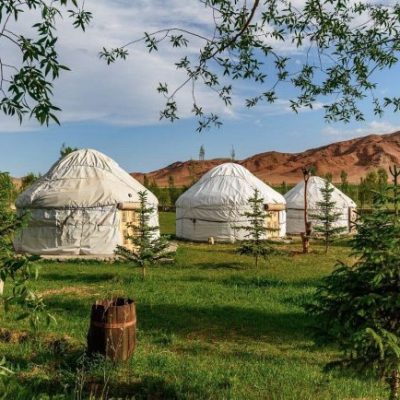
CAMPING
Kyrgyzstan offers unparalleled camping experiences, set against stunning landscapes of mountains, lakes, and valleys. Popular locations like Issyk-Kul Lake, Ala Archa National Park, and the Terskey Alatau range provide diverse terrain for both novice and experienced campers.
For a unique cultural experience, travelers can camp near traditional yurts, engaging with local nomadic communities and enjoying authentic Kyrgyz cuisine. Activities such as hiking, fishing, horseback riding, and stargazing further enrich the adventure. Kyrgyzstan’s pristine natural beauty and rich culture make it a top destination for outdoor enthusiasts seeking an unforgettable camping experience.
Top 10 Places
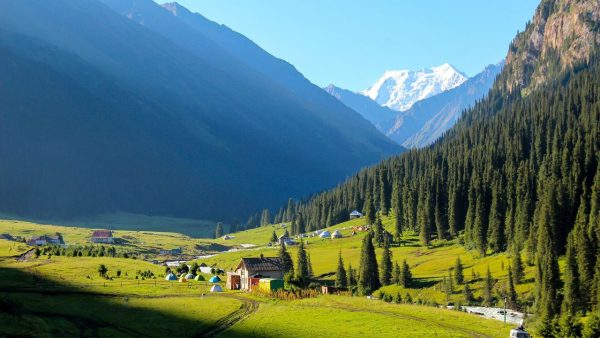
ALTYN ARASHAN
Altyn Arashan is a picturesque alpine valley located in the Tian Shan mountains of Kyrgyzstan, known for its stunning natural beauty. The name «Altyn Arashan» roughly translates to «Golden Spring » in Kyrgyz, referring to the valley’s pristine hot springs and the golden hue of the landscape during sunset. It’s situated around 15 kilometers from the town of Karakol and is a popular destination for tourists seeking relaxation, hiking,horseback riding and adventure.
The valley is famous for its geothermal hot springs, which are believed to have healing properties. The surrounding area is lush with pine forests and offers breathtaking views of the towering snow-capped mountains.
Altyn Arashan is also known for its remote, peaceful atmosphere, making it an ideal spot for camping and experiencing nature in a tranquil setting.
JYRGALAN
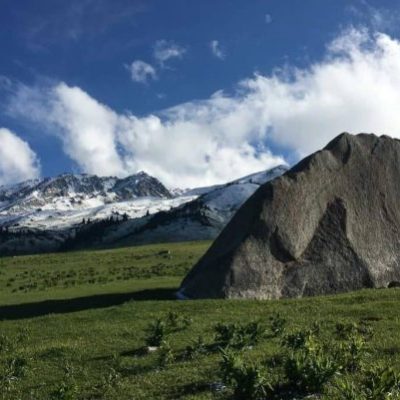
Jyrgalan is a village in the Ak-Suu District of Issyk-Kul Region of Kyrgyzstan . It is located at the right bank of the river Jyrgalan . It was established in 1964 to support operation of a coal mine Jyrgalan.
Jyrgalan Valley is a scenic destination in eastern Kyrgyzstan, nestled in the Terskey Alatau mountains. Known for its stunning landscapes, it features lush meadows, alpine lakes, and rugged peaks. The valley offers excellent trekking, wildlife viewing, and opportunities for winter sports like skiing.
Its peaceful, less-crowded environment, combined with traditional yurts for accommodation, makes Jyrgalan an ideal spot for nature lovers and adventure seekers.
TASH RABAT
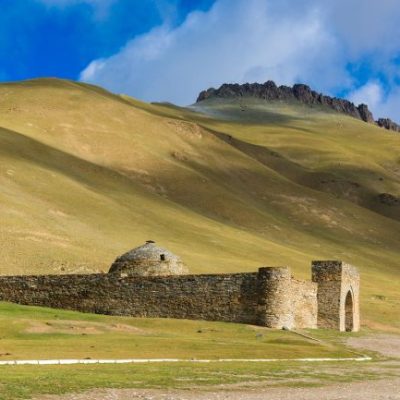
Tash-Rabat is a 15th-century caravanserai in Kyrgyzstan’s At-Bashy district, situated at over 3,500 meters above sea level near the Tash-Rabat River. Originally built on the site of a 9th-10th century monastery, it is believed to have been founded either by a khan to protect trade caravans or by a local wealthy man whose construction was never completed. As Islam spread in Central Asia, the monastery declined and was repurposed as a caravanserai, becoming a key stop along the Silk Road for merchants traveling through the Tien Shan mountains.
Tash-Rabat, which means “stone yard,” offers spectacular views and is set in an impressive landscape similar to Tibet.
In addition to exploring the structure of Tash-Rabat, you can get acquainted with the nomadic lifestyle of the locals. The local jailooes are generally overcrowded with livestock, including yaks, cows, horses, and sheep.
KEMIN VALLEY
Chon-Kemin is located 148 km east from Bishkek. It lies between the two branches of the Tian Shan mountain range separating Kyrgyzstan in the south and Kazakhstan in the north. Chon-Kemin is a common name for an area that includes the Chon Kemin valley that turns slowly into a mighty gorge, a powerful river and even a National park.
The gorge of Chon Kemin starts from the edge of the Chui valley and extends all the way to the shores of Issyk-Kul Lake (some mountains need to be crossed though) and is considered the longest gorge in Kyrgyzstan, stretching for about 100 km. Chon Kemin Valley is also interesting for people searching for activities like such as hiking, fishing or horseback riding as it offers great locations for them in the mountain forests surrounding the valley. Eagle hunting demonstrations are also often organized in this valley.
JUUKU VALLEY
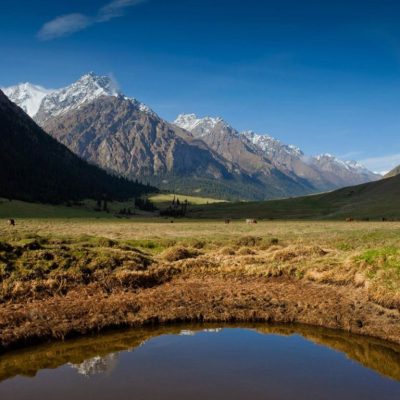
The Juuku Valley, located west of the Chon-Kyzyl-Suu River and south of Saru village, stretches over 50 kilometers into the Terksey-Alatoo ridge, offering extraordinary natural beauty. Visitors are greeted by striking red rocks and scattered Tien-Shan spruces that give way to a dense highland fir forest spanning 30 kilometers.
The valley’s centerpiece is the towering It-Tash peak (4,808m), surrounded by vast glaciers and a series of pristine alpine lakes, including the remarkable Kashka-Suu Lake at 3,600 meters. Unique for its dual drainage to Lake Issyk-Kul and the Tien Shan lowlands, Kashka-Suu is replenished by melting glaciers.The valley is home to diverse wildlife, including ibex, argali, stone martens, and alpine birds like snowcocks and partridges. It also features thermal mineral springs and remnants of the ancient Silk Road, making it a haven for nature enthusiasts and history buffs alike.
KEL SUU LAKE
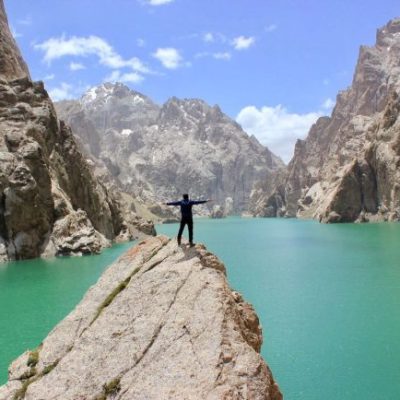
Lake Kel-Suu, located in Kyrgyzstan’s Aksai Valley, is one of the country’s most stunning natural wonders. Situated at 3,500 meters above sea level, the lake formed in the 1980s after a landslide and is fed by melting glaciers. Its water level fluctuates unpredictably, with a significant drop in 2018 followed by a return to previous levels. The lake spans 9 kilometers in length, 500 to 2,000 meters in width, and reaches depths of 5 to 10 meters.
Accessible only by passing through two border posts and requiring special permits, visitors must trek or ride horses to reach the lake. The area offers breathtaking views, turquoise waters, and opportunities for activities like diving and kayaking.
Though the lake has no fish, it is surrounded by wildlife, including the elusive argali. Nearby, visitors can explore a unique cave and a rock formation known as «Balcony,» offering stunning panoramas. The remote and serene environment makes Kel-Suu a popular spot for photography and outdoor enthusiasts.
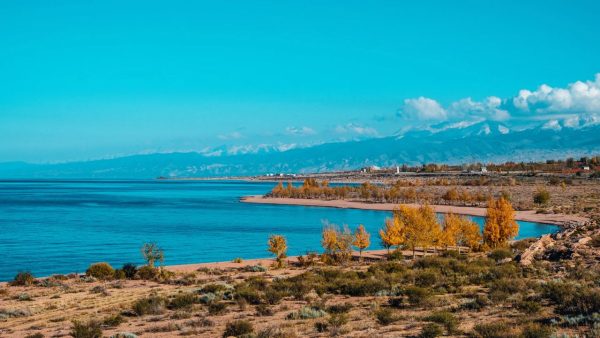
ISSYK-KUL LAKE
Issyk-Kul Lake is the second largest mountain lake in the world at an altitude of 1,607 meters above sea level, depth of 668 meters asl. Lake is situated at the territory of the Issyk-Kul Biosphere Reserve. Issyk-Kul Lake is 182 kilometers long and about 60 kilometers wide, with an area of 6,236 square kilometers.
Issyk-Kol is translated as a “warm lake” in the Kyrgyz language. Indeed, it never freezes. The lake is surrounded by snow-capped high mountain ranges – Kungoi Ala-Too (“sunny” slopes) on the North and Terskei Ala-Too (“shady” slopes) on the South part. These high mountain ranges give the lake a mild microclimate year-round. About 118 rivers and streams flow into the lake (Jyrgalan, Type, and even mineral hot springs), and no rivers come out. So that it gives healing creativeness for the waters and salinity of 0,6%. The biggest towns and villages around the Lake are Karakol, Cholpon-Ata, Balykchy, Bosteri, Kyzyl-Suu, Bokonbaevo.
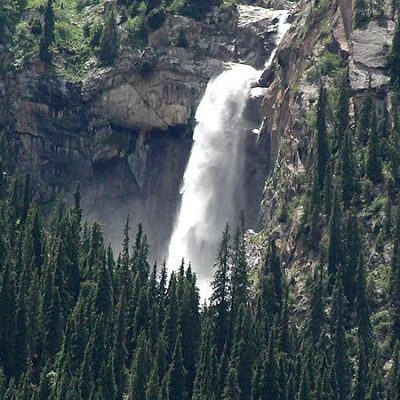
BARSKOON GORGE
Barskoon Gorge is one of Kyrgyzstan’s most picturesque natural wonders, located on the southern shore of Lake Issyk-Kul, approximately 90 kilometers from Karakol. Renowned for its breathtaking alpine scenery, the gorge offers an extraordinary blend of towering snow-capped peaks, dense pine forests, and cascading waterfalls. Rising to an altitude of over 3,800 meters, Barskoon Gorge is a haven for nature enthusiasts, hikers, and photographers. Its highlights include the iconic “Barskoon Waterfalls”, each with poetic names like “Tears of the Snow Leopard”and “Manas’ Bowl” symbolizing the region’s deep cultural and natural heritage.
Easily accessible by car, Barskoon Gorge provides visitors with opportunities for hiking, horseback riding, and picnicking amidst unspoiled landscapes. This serene escape combines natural beauty with tranquility, making it a must-visit destination for those exploring Kyrgyzstan and the greater Issyk-Kul region.
Additionally, heliskiing offers a thrilling experience for those looking to reach high-altitude peaks over 4,000 meters and ski or snowboard down untouched, pristine slopes.
Whether you’re a novice on the piste or an experienced rider chasing adrenaline, Kyrgyzstan’s diverse offerings make it an ideal destination for both skiing and snowboarding.
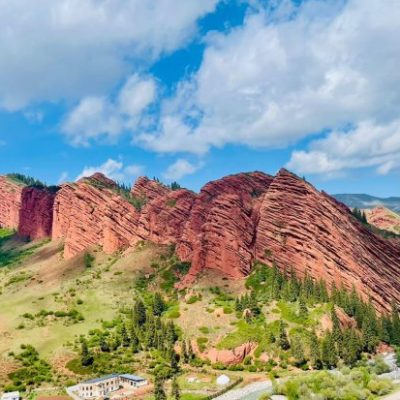
JETI-OGUZ
Jeti-Oguz is one of Kyrgyzstan’s most iconic natural attractions and a symbol of the country’s striking landscapes. Located 30km south-west of Karakol, this vibrant gorge is famous for its red rock formations. The name Jeti-Oguz, which means «Seven Bulls» in Kyrgyz, refers to the seven towering rocks that stand in a row.
The area is also home to the Broken Heart Rock, as well as resorts and yurt camps that welcome visitors. Several popular mountain trails wind through Jeti-Oguz, offering breathtaking views and making it one of the best places for nature lovers and adventurers to explore Kyrgyzstan.
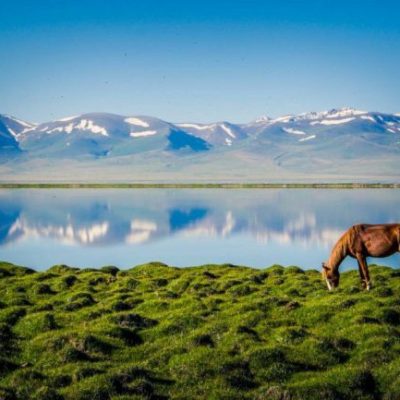
SONG KOL LAKE
Located in the Naryn region at 3,016 meters above sea level, Son-Kul Lake is Kyrgyzstan’s second-largest lake, spanning 278 square kilometers. Translates as a»Last Lake» it lies amidst the scenic Tien Shan mountains, offering breathtaking landscapes of azure waters and green jailoos (summer pastures).
Son-Kul’s pristine waters host a variety of fish species introduced since 1959, while its surroundings are home to snow leopards, foxes, wolves, and diverse birdlife. The area is rich in medicinal herbs and rare flora like edelweiss. Accessible only from June to September due to harsh winters, visitors can reach the lake via mountain passes like Kalmak-Ashuu or Moldo-Ashuu. Experience nomadic culture by staying in felt-insulated Kyrgyz yurts, equipped with wood-burning stoves, and enjoy activities such as horseback riding, fishing, and exploring ancient petroglyphs. Key sites include the Tailak Baatyr Mausoleum and the mineral springs of Emel near the village of Kok-Oi.